
The first case (photos below) is a 5 months old small breed puppy (<10kg). 4 weeks later the displaced mandibular canine tooth had corrected itself without any intervention.
For small breed dogs I don’t recommend intervention on the permanent teeth unless there is trauma/pain involved until at least 6 months old.
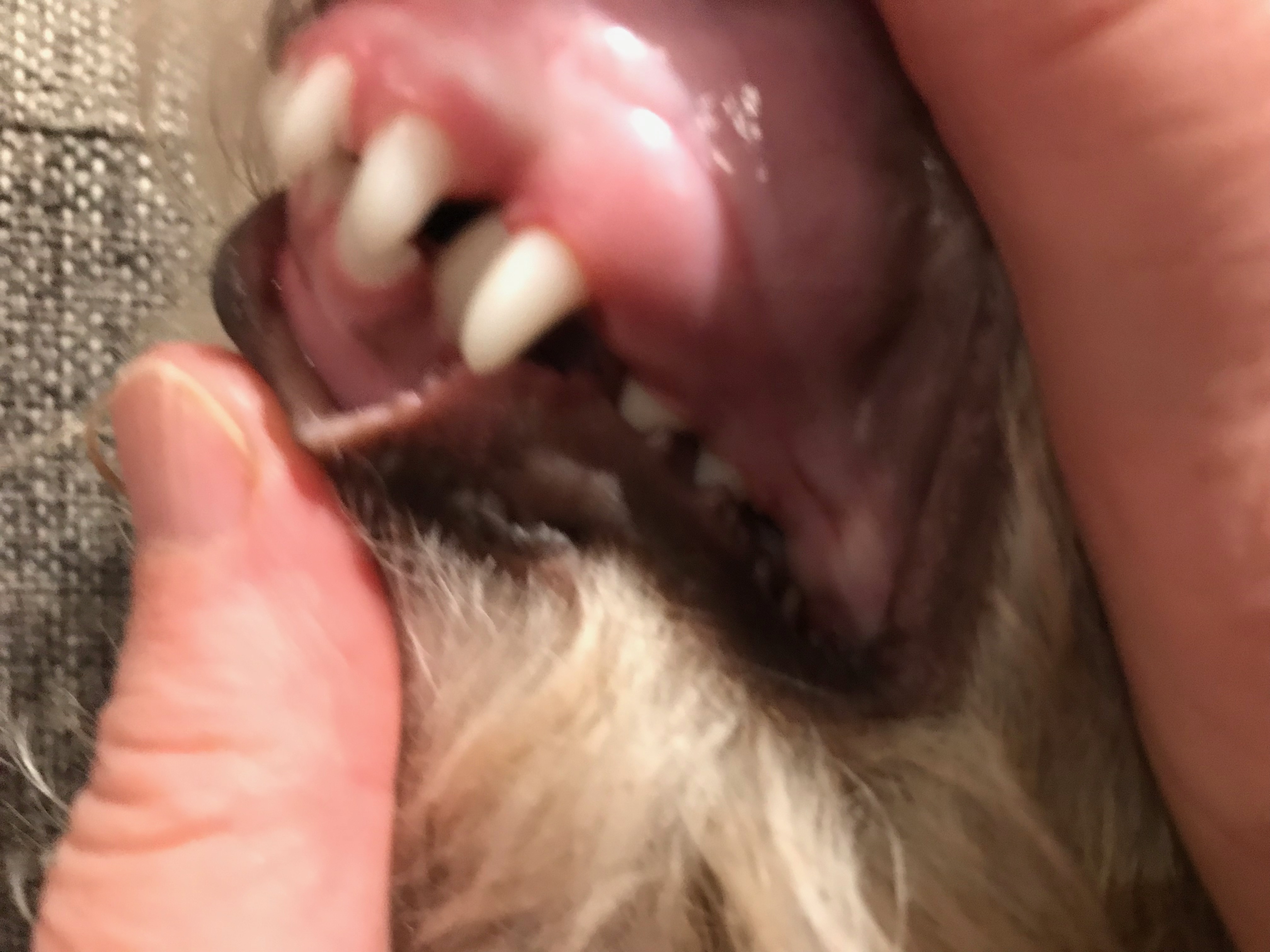
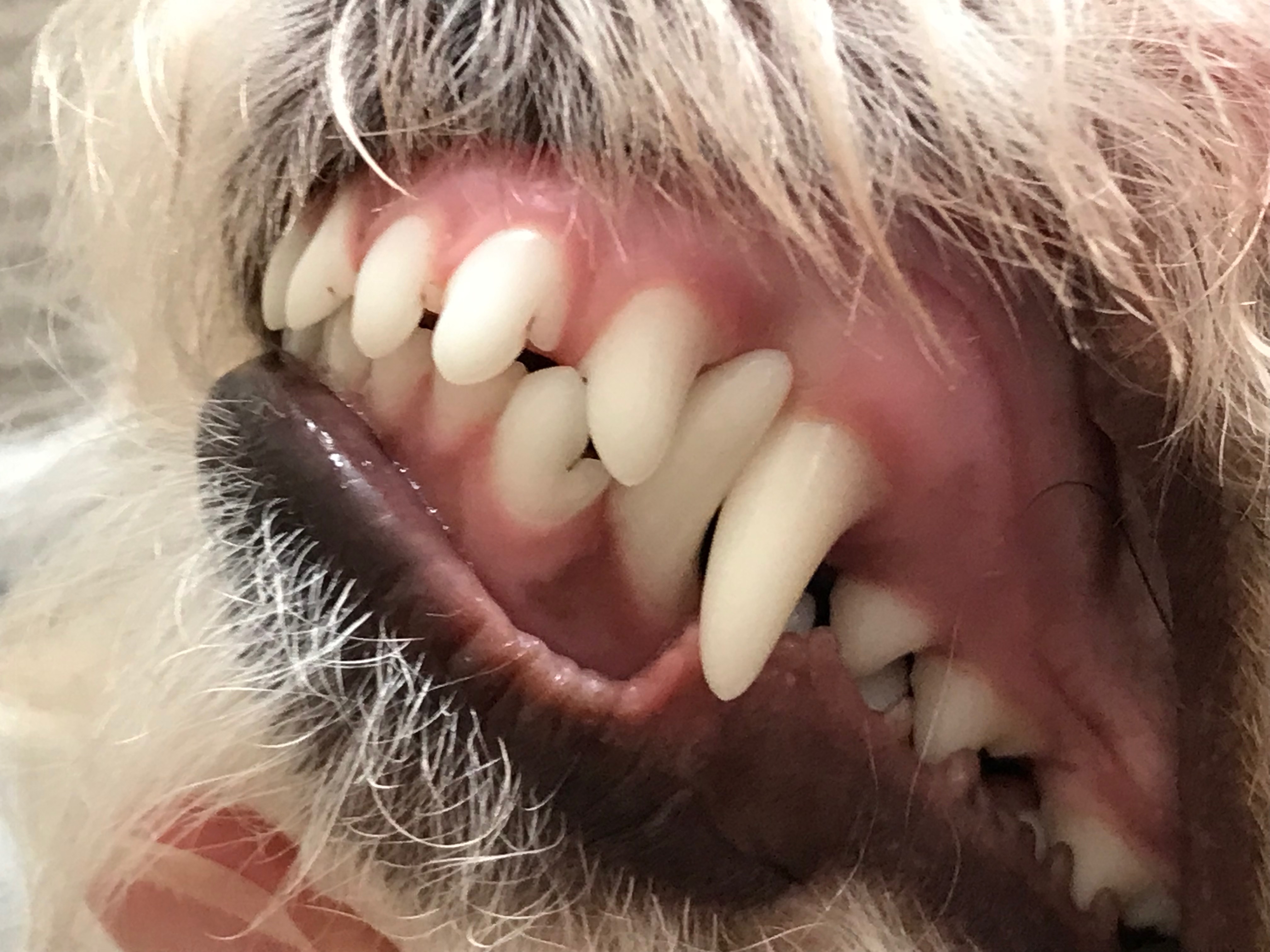
The second case (photos below) is a large breed 7 month old pup (>40kg). The owner contacted me as they were concerned about the displaced mandibular canine. This case also corrected itself 4 weeks later without any intervention.
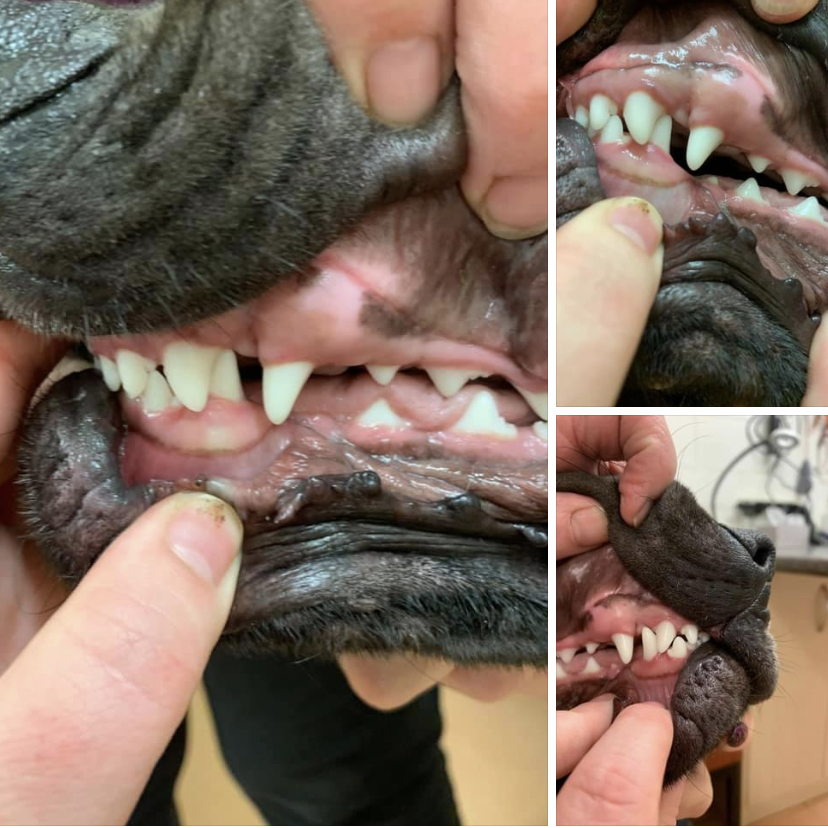

For this reason in large breed dogs I recommend waiting until 8 months to do an intervention procedure on permanent teeth unless pain/trauma of upper palate is involved.
Unless it is a very obvious lingually displaced mandibular canine that is caught lingual to the maxillary canine, then I recommend erring on the side of “waiting to see what time and growth alone will do.” Extracting deciduous dentition that is causing trauma and potentially inhibiting jaw growth (by the canine teeth impinging on the upper palate for example) is still recommended as soon as it is noted.
 Pet DENTISTRY